Embodying intelligence: enabling the autonomous evolution in robotics
Imec is ready to accelerate the journey to physical AI through breakthrough semiconductor innovation, system-level expertise and collaborative ecosystem partnerships.
From digital intelligence to physical AI
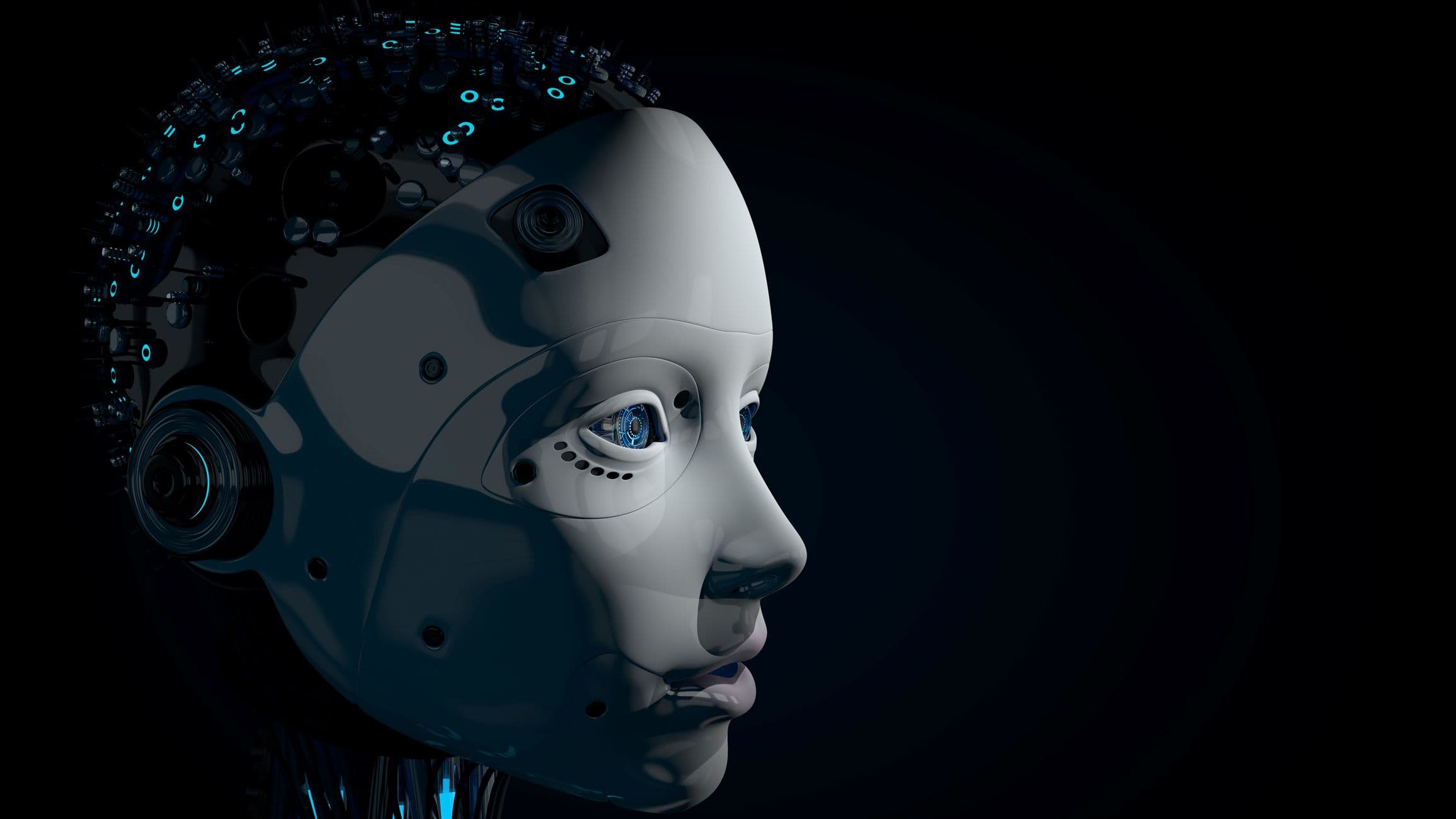
Artificial intelligence is entering a new era: bringing intelligence into the physical world with robots – changing every aspect of our lives.
Robots will increasingly work alongside humans, supporting them in their daily tasks. At the same time, they will help address labor shortages and growing automation needs by taking on repetitive, physically demanding or dangerous tasks, including in remote or unsafe environments.
The journey toward full autonomy will begin with autonomous mobile robots (AMRs) performing specialized tasks in structured environments. At the far end of this evolution lie highly capable humanoids and general-purpose robots that can safely and autonomously operate in dynamic, unstructured environments, adapting to the complexities of everyday human life.
Robotics evolves in stages, with successive generations of robots entering the market:
- Industrial and logistics robots performing repetitive, well-defined tasks in structured environments such as factories, warehouses and distribution centers, including assembly, inspection, material handling, picking, packing and autonomous mobile transportation.
- Service robots operating alongside people in semi-structured environments such as hospitals, retail stores, airports, hotels and public spaces, supporting activities including inventory management, cleaning, delivery, security, healthcare assistance and customer interaction.
- Advanced collaborative robots and autonomous assistants capable of understanding human intent, adapting to changing conditions and performing complex multi-step tasks in dynamic workplaces, construction sites, healthcare facilities and outdoor environments.
- General-purpose robots operating safely and autonomously in highly unstructured home environments, performing a broad range of tasks such as cleaning, cooking assistance, laundry, home maintenance, elderly care, companionship and personal assistance.
The intelligence embodied in future robots will rely on innovations across the entire technology stack, from advanced semiconductor technologies and ultra-low-power computing platforms to sensing, communications and AI. Imec will assist in bringing more intelligence, efficiency, safety and autonomy to robotic systems through foundational technology innovation.
Beyond technology innovation, imec acts as a neutral catalyst for the robotics ecosystem. As no single player can master the full robotics value chain, successful innovation requires close collaboration between hardware suppliers, AI developers, system integrators and application partners.
Through its world-class R&D and infrastructure, ecosystem-building capabilities and independent position, imec helps partners develop and validate technologies, foster collaboration, advance standardization and accelerate the path from innovation to scalable deployment.
Addressing the key challenges of autonomous robotics
Deploying robots in the real world remains one of today's greatest technological challenges. Full autonomy demands capabilities that must work flawlessly from day one: robust perception, real-time decision-making, safe operation, energy efficiency, reliability and data privacy.
- Compute. AI-powered robots rely on increasingly sophisticated models to understand their surroundings, make decisions and execute actions, all this while minimizing latency and energy consumption, and maximizing safety and performance. This will require computing architectures that span multiple levels, from ultra-efficient, ultra-low power on-device processing and edge AI to cloud-based computing resources.
- Advanced perception and response. Robots must continuously interpret and understand complex environments. This requires advanced sensing and actuating technologies and sensor fusion.
- Connectivity and coordination. Autonomous robots must communicate efficiently both internally and externally: communication between sensors, processors and actuators within the robot, as well as connectivity to edge and cloud infrastructures and collaboration with other robots and systems.
- Energy efficiency and endurance. Advanced power management, thermal optimization and energy-efficient semiconductor technologies are critical to extending operational lifetime while maintaining high performance, safety and reliability.
Imec believes that successful robotics platforms depend on the seamless integration of multiple technology domains, with tech layers working together as a cohesive whole. System co-optimization and integration will determine the capabilities and scalability of future robotic systems.

Partner with imec
The future of robotics will be built through collaboration. As the robotics ecosystem continues to evolve, organizations need trusted partners that can help validate technologies, reduce development risks and accelerate innovation.
Imec offers flexible engagement models tailored to different innovation needs, ranging from participation in funded research programs, to bilateral collaborations, internal innovation initiatives, and dedicated engagement pathways for startups, helping early-stage companies accelerate technology development and market adoption.
Whether you are developing new robotic platforms, evaluating emerging technologies or exploring future innovations, imec can help you navigate the challenges of embodied intelligence and autonomous systems.
Contact us to discuss how we can support your robotics innovation journey.